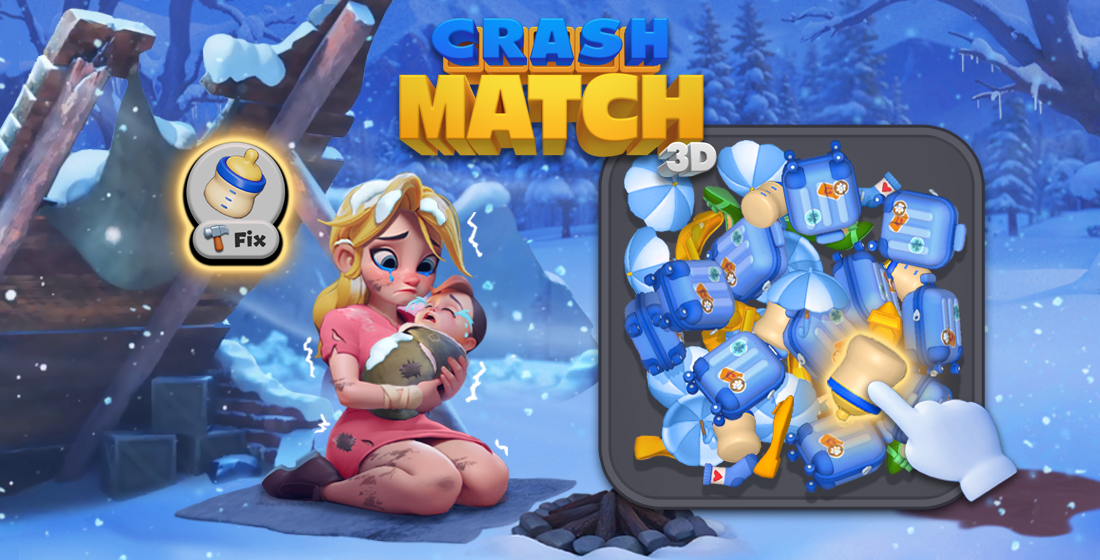
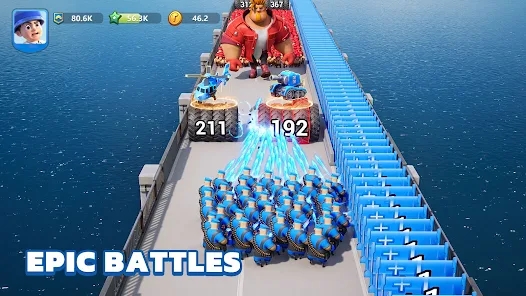
The Explosive Growth of Hyper-Casual Games
In the rapidly evolving mobile game ecosystem, hyper casual games have surged from obscurity to dominance with a puzzling intensity. Titles once characterized by simplistic graphics and one-tap mechanics now capture massive user bases—and revenues—leaving publishers questioning their own strategies. Unlike typical genres such as sports simulations like EA Sports FC 24 Repack or open-world experiences like Ark: Survival Evolved: The Game, these titles thrive not on depth but brevity, often consumed between subway stops or during lunch breaks. In 2025, downloads for this category are predicted to top 8 billion worldwide—a number that defies expectations given industry trends favoring rich narratives and advanced technology elsewhere.
| Market Snapshot of Mobile Game Categories (Q1 2025) | |
|---|---|
| Category | Average Time Spent per Session |
| Hyper Casual Games | 2–4 Minutes |
| Premium Story-Driven Games | 18+ Minutes |
| Moba / Competitive Multiplayer | 8–12 Minutes |
| Niche Simulation (e.g. survival evolve the gam) | 30+ Seconds |
- No sign-up required: instant playability across platforms
- Minimal processing power needed: runs even on devices without dedicated game modes
- Endless loops vs fixed levels: design philosophy built around dopamine bursts rather than progression arcs
- Videos ads replacing premium models: revenue generation in unexpected areas
User Psychology Driving This Movement
In modern society's attention-starved climate, the appeal of low-barrier entries has shifted consumer habits. The cognitive overhead of downloading an application labeled "Ea Sprts Cc" seems daunting compared to hitting the “instant play" button on apps featuring pixel art frogs or wiggly balls through obstacles. Surprisingly enough, developers don’t rely solely on traditional ad networks anymore—their monetization strategy hinges more and more on creative integrations. You may start slicing virtual fruits in [generic title], and before you notice, you’re interacting with soft-product placements embedded directly inside game dynamics.
Detecting Patterns Between Top Performers
Loop Type A
• Click repeatedly until obstacle hits player
• No complex timing required beyond reflex tests

Loop Type B
• Collect scattered elements across randomized maps
• Rewards appear randomly, increasing replay value unpredictably

Loop Type Z [Experimental]
• Simulate minor tasks such as brushing teeth or pouring drinks into mismatched containers.
Fewer rules equal faster iteration—leading companies release new prototypes every two weeks, a frequency unheard of in projects involving detailed assets or multiplayer testing like Ark Suralive Evoled the Gaim. What was once dismissed as “just filler entertainment" now boasts its own subgenres, tournaments, and micro-celebs streaming gameplay to niche follower circles. If you’ve ever downloaded any variant of "hyper casuale gmae," chances are it came pre-integrated through partnerships forged quietly within app marketplaces or rewarded through referral mechanisms.
Serious Stats Worth Knowing About:
- The average age of someone playing these is higher than expected—32, not just highschoolers or GenAlpha kids
- About 79% engage with them outside main work hours—but still during working days, indicating strong impulse play
- The largest user segment is based not in China or U.S., but somewhere else entirely (guess again, yes—Eastern European territories including Lithuania saw 40 percent increase in usage YoY alone).
- A staggering
ninety-twoninety-six % of these applications remain free-to-play yet out-revenue some established paid franchises combined. Crazy? Maybe. Accurate? Yes.
Will They Eventually Fizzle Out?
Only time will tell how long the trend holds, particularly considering the rise in clones, legal threats concerning IP similarity in designs across major apps like EA Spoerts FC 24 repacs and lesser names alike—not to mention potential burnout stemming from ad density saturation reaching intolerable thresholds. One could argue whether these fleeting distractions will hold meaningful shelf life once 5g infrastructure enables real-time console-grade cloud rendering right from a phone browser—but the same question applied to short video formats in the mid-2010s went mostly unheeded… until we were glued daily to bite-sized vertical videos.