Unlocking Fun: How Puzzle Games and Life Simulation Games Create Unique Experiences
Puzzle games have always held a special place in the realm of gaming, captivating players with their challenges and nuances. Equally appealing are life simulation games that allow players to curate their own virtual worlds. But how do these genres intertwine to create unique experiences? Let’s explore this fascinating intersection.
The Allure of Puzzle Games
Puzzle games offer an engaging way to stimulate the mind. They come in various formats, from jigsaw puzzles to complex strategy games. What makes them compelling is their ability to challenge players in innovative ways. They encourage critical thinking and problem-solving skills, making them not just entertaining but educational.
Types of Puzzle Games
- Logic Puzzles
- Pattern Recognition Games
- Word Games
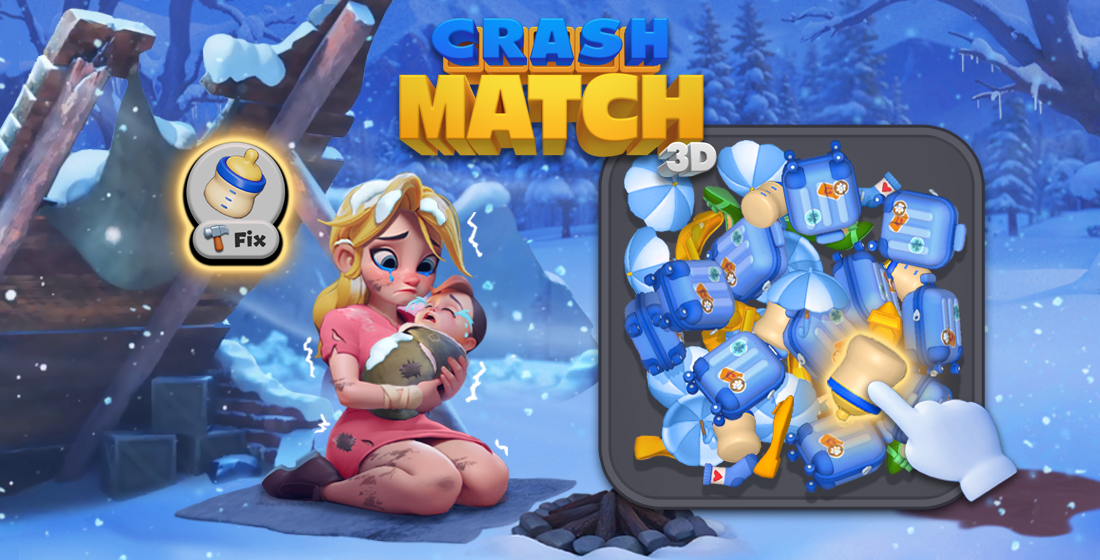
- Tile-Matching Games
Each type provides a different kind of challenge, allowing players to choose based on their preferences and skill levels. For instance, tile-matching games like Tetris offer fast-paced fun, while logic puzzles can be more relaxing, inviting players to solve them at their own pace.
Life Simulation Games: A Virtual Playground
On the other hand, life simulation games create spaces where players can explore relationships and live out their fantasies. Titles like "The Sims" and "Animal Crossing" excel in creating immersive environments that mirror real-life situations while providing the freedom to deviate from reality.
Key Elements of Life Simulation Games
| Element | Description |
|---|---|
| Character Customization | Players can design their own avatars, influencing gameplay. |
| Relationship Dynamics | Social interactions can mimic real-world emotions and conflicts. |
| World Building | Players create environments with homes, businesses, and more. |
These elements contribute to a sense of ownership and investment in the game. The choices made can lead to different outcomes, which keeps the gameplay fresh and engaging.
The Intersection of Genres
While puzzle games and life simulation games may seem disparate, several unique experiences stem from their integration. For instance, classic life simulators occasionally incorporate puzzle-like challenges to enhance player engagement. "The Sims" franchise uses various mini-games that are puzzle-centric to earn rewards.
Clash of Clans: The Strategic Twist
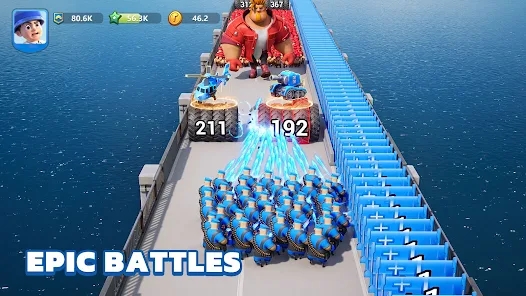
In games like "Clash of Clans," often optimized for strategy and town-building, players navigate through puzzle mechanics in a sort of indirect way. The game requires players to figure out how to build their base effectively, implying puzzle-solving abilities. The creativity involved in laying out a successful "town 6 base" becomes a playful challenge that blends genres.
Combining Mechanics for Greater Fun
When puzzle elements are incorporated into life simulation games, the potential for a more engaging experience skyrockets. Players solve intricate quests, solve problems related to their town, or even manage their virtual households through problem-solving tasks. This adds layers to the gameplay, making it more than just a straightforward simulation.
Creating Unique Experiences
These unique pursuits become more apparent when you examine why players enjoy both genres. It's often about challenges—with **puzzle games** offering neurological stimulation and **life simulation games** providing an emotional and relatable context. By intertwining these elements, developers configure gaming experiences that are multifaceted.
Real-Life Applications of Puzzle Gaming
Sometimes, we notice that even mundane tasks prompt the same thought processes seen in puzzle games. For example, consider the question: “Do sweet potato and onion go together?” The answer involves both a logical deduction and an appreciation for flavor pairings, akin to puzzle solvers deducing patterns.
Why This Matters
Understanding the interplay between puzzle-solving and life simulation can influence our approach to problem-solving in daily life. The skills acquired in these gaming realms often find their way into real-world applications. By navigating challenges in a simulated world, players further their ability to manage real-life situations.
Conclusion
Ultimately, unlocking fun through puzzle games and life simulation games is about creating unique experiences that challenge and engage. Whether solving a puzzle or managing a town, players immerse themselves in worlds that keep their minds active and spirits high. To summarize, both genres contribute to cognitive development, emotional investments, and ultimately, enjoyment, illustrating the powerful potential of game design.