Why Multiplayer Strategy Games Are Revolutionizing Online Gaming
In the ever-evolving realm of online gaming, one genre stands out, increasingly transforming the landscape: multiplayer strategy games. They aren't just reshaping how we play; they're redefining community, competition, and collaboration. Let's delve into why these games are at the forefront of this gaming revolution.
The Rise of Multiplayer Strategy Games
The gaming community has seen a significant surge in interest in multiplayer strategy games. With innovative gameplay mechanics and immersive narratives, these games captivate players, establishing loyal fan bases. But what is it about them that draws so many in?
Defining the Genre
At their core, multiplayer strategy games combine elements of teamwork, tactical planning, and competition. Players must not only execute their strategies effectively but also adapt to opponents' moves. Games such as Star Wars RPG game PC foster immersive environments where strategy takes precedence over mere reflexes.
Engagement and Collaboration

One of the standout features of these games is their capacity to engage players. Unlike traditional single-player experiences, multiplayer strategy games promote teamwork and collaboration. Players often must band together to outsmart or overpower their rivals. This sense of camaraderie is vital in fostering a vibrant gaming community.
- Enhanced Communication: Players develop better communication skills.
- Team Dynamics: Understanding and leveraging each player's strengths.
- Shared Experience: Creating cherished memories and stories.
Reimagining Game Mechanics
Developers are continuously innovating, creating diverse mechanics that keep players engaged. Whether it’s real-time strategy or turn-based tactics, mechanics are evolving. For instance, look at the infamous Friday the 13th crashes when loading into a match; this unfortunate hiccup doesn't diminish the thrill of multiplayer experiences but instead showcases the challenges developers face.
Community-Centric Events
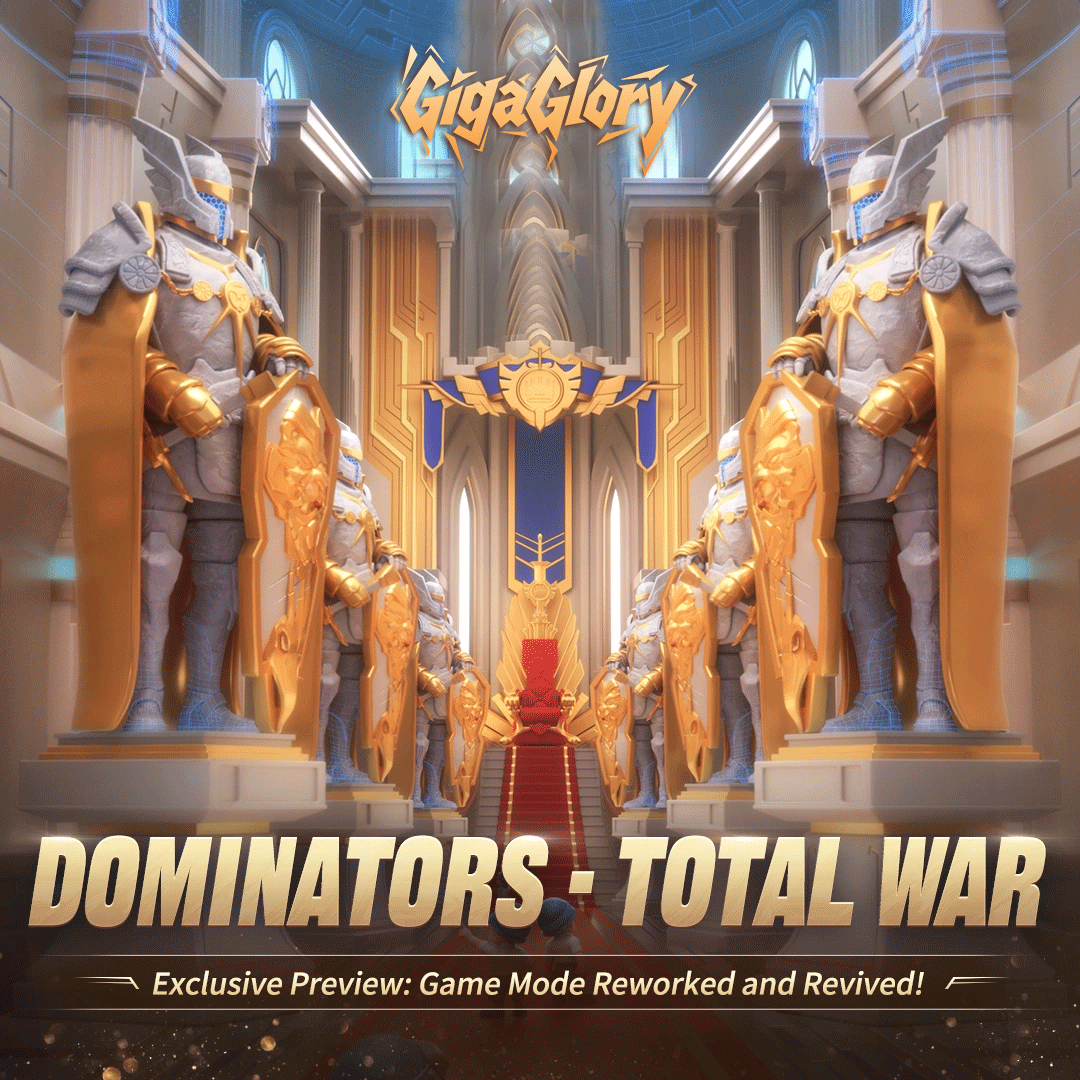
Multiplayer strategy games often come with community events that bring players together, offering incentives to engage. Seasonal events, tournaments, and challenges unite players, enhancing their gaming experience. These events keep players invested long after the main campaign is over.
| Event Type | Description | Benefits |
|---|---|---|
| Seasonal Events | Time-limited quests and challenges. | Increased engagement and excitement. |
| Tournaments | Competitive play across various teams. | Boosted skill levels and recognition. |
| Community Challenges | Collective goals players must achieve. | Strengthened community bonds. |
The Challenge of Balance
Creating balance in multiplayer strategy games is no easy feat. Developers must ensure that every player feels empowered irrespective of experience level. This is crucial to ensure newcomers don’t feel overwhelmed. Thus, balancing mechanics effectively is vital to the success of any multiplayer strategy game.
Accessibility and Platforms

Accessibility is vital in today's gaming landscape. Players want to engage with various platforms. Multiplayer strategy games are often developed to be accessible across multiple systems, be it PC or consoles. This allows a wider audience to join the fun and enjoy the strategic complexities these games offer.
Future Trends in Multiplayer Strategy Games
What does the future hold for multiplayer strategy games? Here are some trends to keep an eye on:
- Increased integration of AI to enhance gameplay experience.
- Virtual and augmented reality applications.
- User-generated content allowing players to create their own maps and missions.
The Role of Technology
As technology advances, so do the opportunities for innovation in gaming. From AI-driven opponents to enhanced graphics and immersive environments, technological progress plays a significant role in how multiplayer strategy games evolve.
Community Feedback and Development
Developers today are more in touch with their communities than ever before. Gathering player feedback has become standard practice, ensuring they cater to the desires and preferences of their player base. Listening to the community not only enhances game quality but fosters loyalty.
Final Thoughts

Multiplayer strategy games aren't just a passing trend—they are revolutionizing the online gaming landscape, bringing together communities through collaboration, innovative mechanics, and thrilling experiences. As developers continue to adapt and evolve using player feedback, the potential for these games remains limitless.
Frequently Asked Questions (FAQ)
Q: What makes multiplayer strategy games different from single-player games?

A: Multiplayer strategy games emphasize teamwork and competition, creating a social environment unlike single-player experiences.
Q: Why do players enjoy community-centric events?
A: These events enhance engagement, foster camaraderie, and provide unique challenges that enrich the gaming experience.

Q: How are developers addressing balance in these games?
A: Developers continuously analyze gameplay and player experience, adjusting mechanics to ensure players of all skill levels can enjoy the game.
Conclusion
In summary, the rise of multiplayer strategy games signifies a shift in online gaming culture. The blend of innovation, community engagement, and evolving technology showcases their significance in shaping the future of gaming.